Complete Dementia Care Models in Charlotte
In Charlotte, holistic dementia care approaches emphasize the person in their entirety, acknowledging the interplay of mental, emotional, social, and bodily requirements. This method fosters creative treatment options and robust neighborhood assistance systems. Relatives serve as essential partners in this framework, improving care through education and collaboration. As these methods evolve, they raise significant inquiries about their effectiveness and the prospects of dementia care. What new strategies might better improve the well-being of those affected?
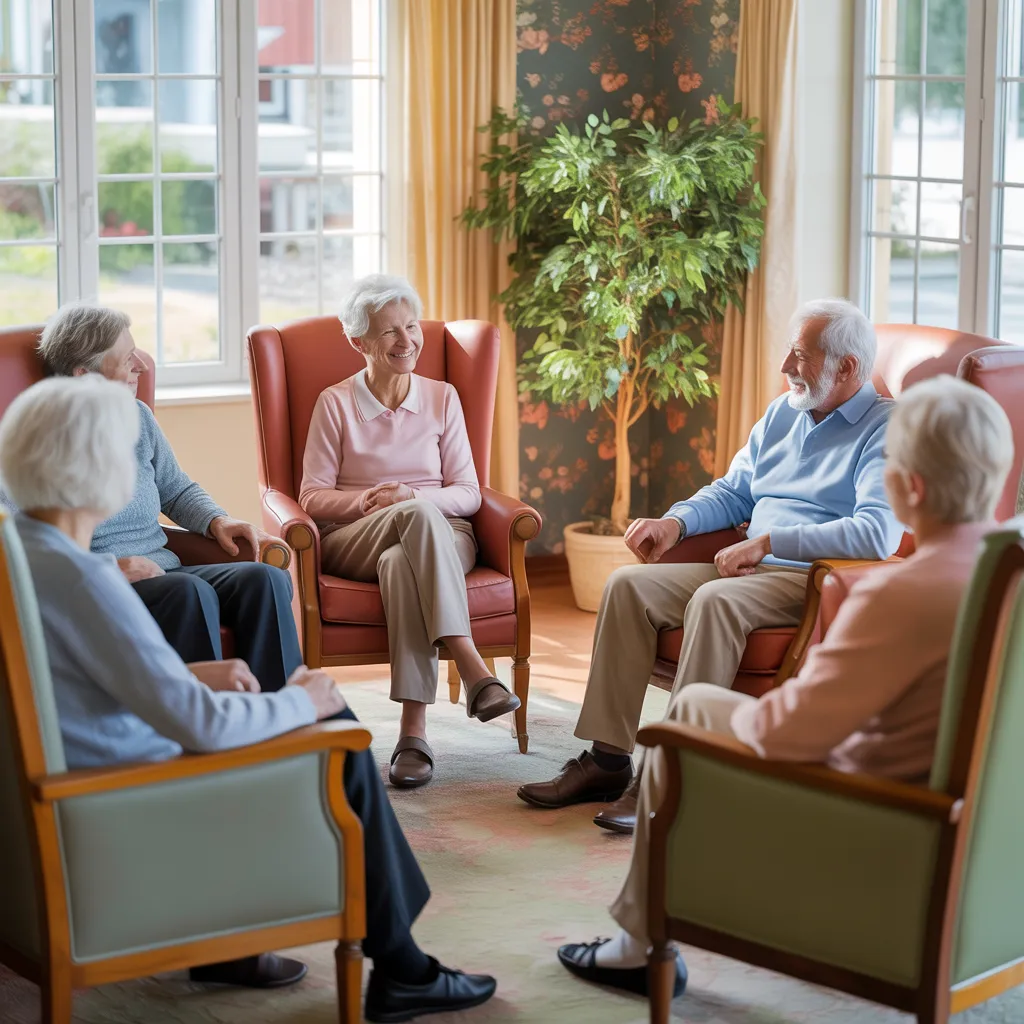
Why Complete Medical care Matters for Those with Dementia
While traditional medical methods concentrate mainly on managing symptoms, holistic care acknowledges the intricate needs of dementia patients. This method emphasizes caring for the person as a whole, addressing not only cognitive decline but also emotional, social, and physical well-being. By incorporating techniques such as art therapy, music therapy, and mindfulness, holistic care fosters a supportive environment that improves quality of life.
Holistic care also promotes meaningful engagement with family and caregivers, fostering deeper bonds that can alleviate feelings of isolation. It recognizes the importance of routine and familiar surroundings, which can reduce anxiety and confusion for dementia patients. Additionally, addressing physical wellness and nutritional requirements serves as a vital role in overall well-being. Through a comprehensive all-encompassing framework, holistic care empowers patients, helping them maintain dignity and autonomy in their daily lives. Ultimately, this varied multifaceted approach enhances the experience of those affected by dementia, making it an important significant aspect of their care.
Developing Community Bonds: Assistance Networks for Memory Care in Charlotte
Fostering a powerful collective around dementia care is required for boosting the lives of patients and their kinfolk. In Charlotte, diverse support networks have materialized to confront the unique challenges bound to dementia. Local organizations, such as the Alzheimer's Association, present assets, education, and promotion, nurturing a bond of community for both care attendants and individuals.
Community centers often provide support groups where families can tell their stories, gain insights, and obtain emotional support. These gatherings not only ease feelings of loneliness but also create a platform for sharing effective care practices.
Additionally, collaborations between medical professionals and local groups play a vital role in guaranteeing that individuals receive comprehensive assistance. By engaging local volunteers, Charlotte's dementia care community cultivates an atmosphere of empathy and understanding. Such networks empower households with the resources necessary to manage the challenges of dementia, highlighting the significance of community in comprehensive care models.
Examples of Innovative Treatments for Dementia Individuals
Cutting-edge interventions for dementia patients are reshaping the terrain of care, providing new avenues for engagement and enhancement in quality of life. One notable approach is therapeutic music, which has shown impressive efficacy in stimulating memory recall and emotional expression. This therapy harnesses the power of well-known tunes to elicit memories and build connections, often leading to improved mood and decreased anxiety.
Artistic therapy represents another successful technique, allowing patients to articulate their creative thoughts, which can boost cognitive function and emotional well-being. Additionally, reminiscence therapy encourages patients to connect with their past through photographs and personal stories, advancing social interaction and cognitive stimulation.
Animal-assisted therapy introduces pets into care facilities, providing comfort and togetherness, which can reduce feelings of loneliness. Finally, virtual reality encounters offer immersive environments that can enhance cognitive activity and provide a sense of adventure, improving the daily lives of dementia patients.
Including Families in Dementia Care
Additionally, strong communication connecting healthcare providers and loved ones can mitigate feelings of isolation and anxiety. Providing families with support systems, including peer networks and counseling, additionally reinforces their ability to navigate with the challenges of dementia. This engagement not only supports the patient but also encourages a sense of community among caregivers. Ultimately, integrating families in the care delivery leads to a more holistic approach, ensuring that both emotional and physical needs are addressed, thereby improving overall quality of life for individuals living with dementia.
Developing Changes in Holistic Dementia Wellness in Charlotte
Charlotte is witnessing a transition towards comprehensive dementia care that prioritizes personalized treatment and emotional well-being. This emerging trend highlights customized care plans that consider the distinct needs and preferences of each person. Providers are increasingly incorporating complementary treatments such as music and creative therapy, recognizing their potential to enhance cognitive function and psychological well-being.
Additionally, the incorporation of neighborhood support systems encourages social engagement, minimizing feelings of isolation among individuals with dementia. Family participation is also being prioritized, with support groups and educational workshops intended to empower family care providers and strengthen the overall family dynamic.
Telehealth programs are expanding, allowing families to obtain quality care and resources from the ease of their homes. As Charlotte continues to incorporate these integrated approaches, the focus explore now remains on developing supportive spaces that strengthen both physical health and psychological resilience for those facing dementia.
Commonly Asked Questions
What Financial Factors Accompany Holistic Dementia Management in Charlotte?
Fees pertaining to integrated dementia services can vary extensively, often falling between $1,500 to over $5,000 per month, relying on services rendered, facility type, and tailored care plans tailored to unique requirements and interests.
What's the Best Way to Pick a Whole-Person Care Provider for Dementia?
To pick a holistic care provider for dementia, one should examine credentials, seek recommendations, assess individualized care approaches, and ensure consistency with family values. Inspecting facilities and discussing approaches can also provide useful insights.
Do Specific Dietary Recommendations Apply for Dementia Patients?
The Mediterranean diet, which is rich in fruits, vegetables, whole grains, healthy fats, and lean proteins, is often recommended for dementia patients, and it should be paired with adequate hydration and reduced processed sugars to support cognitive health and overall well-being.
What Function Does Fitness Have in Comprehensive Dementia Treatment?
Physical activity constitutes an important element of comprehensive dementia care by enhancing cognitive function, improving mood, and advancing physical health. Consistent physical activity can help sustain independence and minimize behavioral symptoms, ultimately improving overall quality of life.
In What Ways Can I Support Holistic Care Approaches in My Community?
To champion comprehensive wellness approaches, individuals can arrange local gatherings, share educational resources, work alongside community medical professionals, and promote awareness through digital marketing efforts, fostering a nurturing community for comprehensive Alzheimer's support programs.